Taking a Boat With You: Inflatables and the Long-Term Traveler

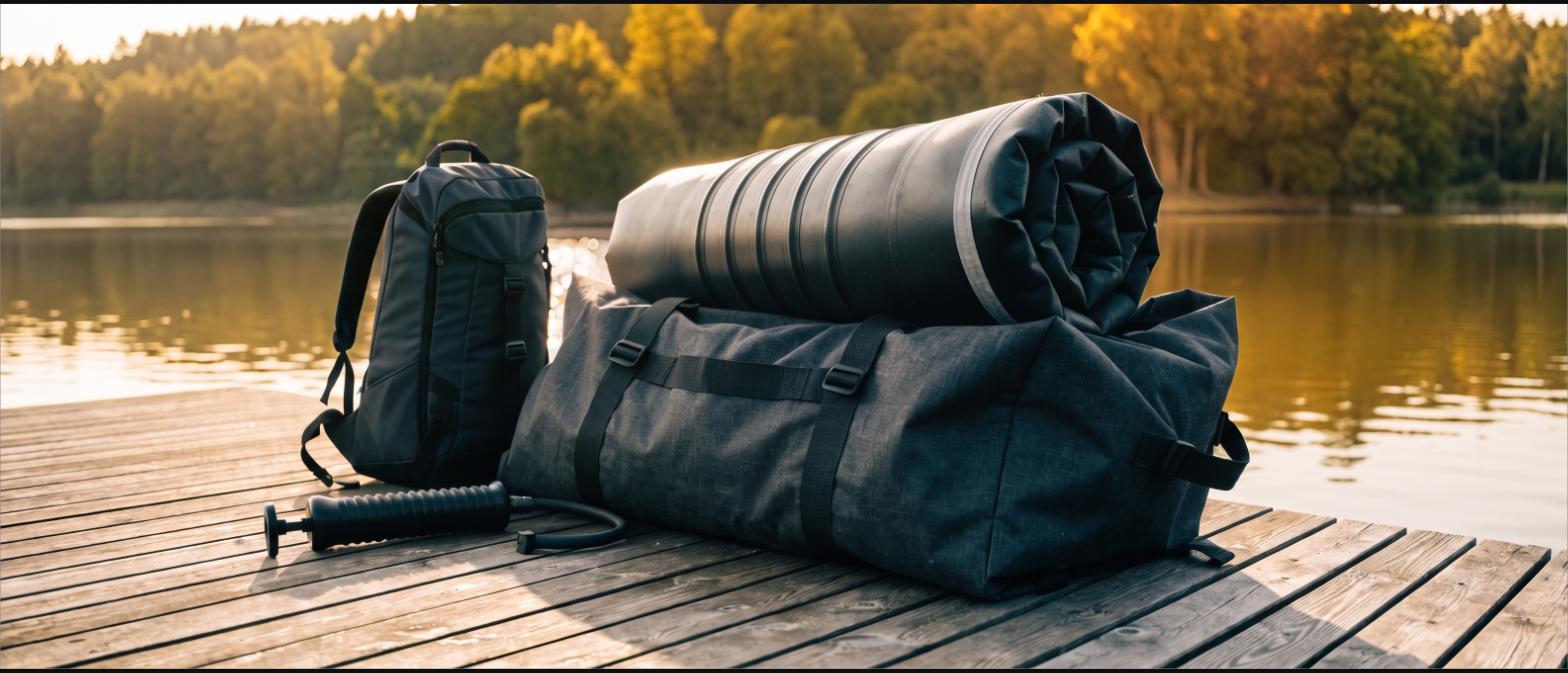
A rolled inflatable boat packed into a carry bag on a dock beside a backpack and hand pump

Most of our customers buy an inflatable because of where it launches. A smaller group buys one because of where it travels. If you are on the road for months at a time, living out of a van or a couple of bags, a boat sounds like the last thing you would carry. It is worth arguing the other side.

The Case for Air

A hardshell boat quietly assumes a lot about your life. It assumes a vehicle with a roof rack, a garage or side yard to keep it in, and a home you return to. Take any of those away and the boat becomes a storage problem eleven months of the year. An inflatable makes none of those assumptions. Deflated and rolled, it is a duffel bag, and a duffel bag fits in a van, a hostel locker, a train luggage rack, or the hold of an aircraft.
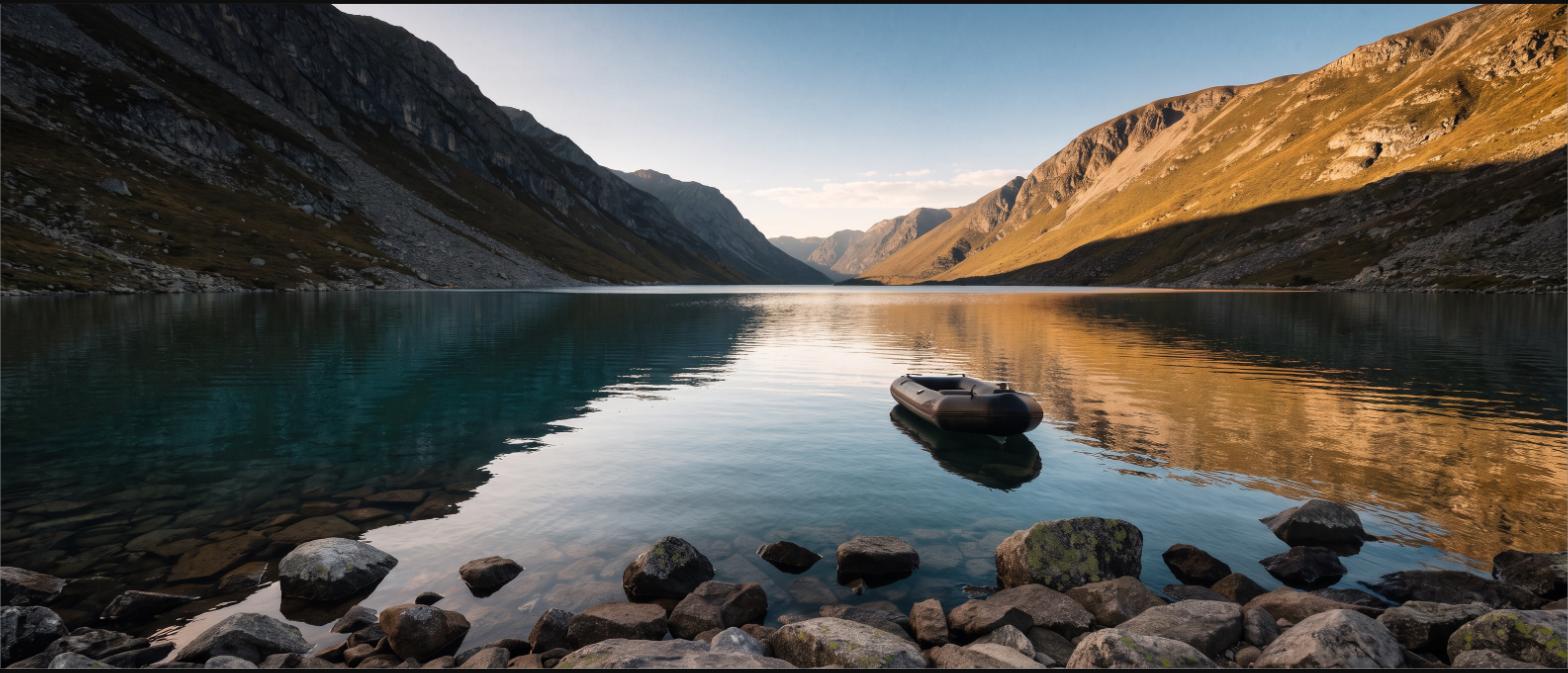
A small inflatable boat on a calm remote mountain lake at golden hour

Be Honest About the Weight

This is where enthusiasm needs tempering. A lightweight packraft runs around three to five kilos and genuinely disappears into a large backpack. A two-person inflatable kayak is more like ten to fifteen kilos with the pump, which is a checked bag on its own. A rigid-hulled inflatable is a wonderful boat and is not going anywhere by air.

So the honest question is not whether you can carry it but what it displaces. It is the same trade-off that runs through all serious nomad packing: you are not hunting for the lightest possible item, you are deciding which items earn the space they take. A boat earns it if you will actually launch it forty times a year. If you will use it twice, rent one.

Watch: How to Fold an Inflatable Kayak
Watch: How to Fold an Inflatable Kayak (Aquaglide, YouTube)

The Parts People Forget
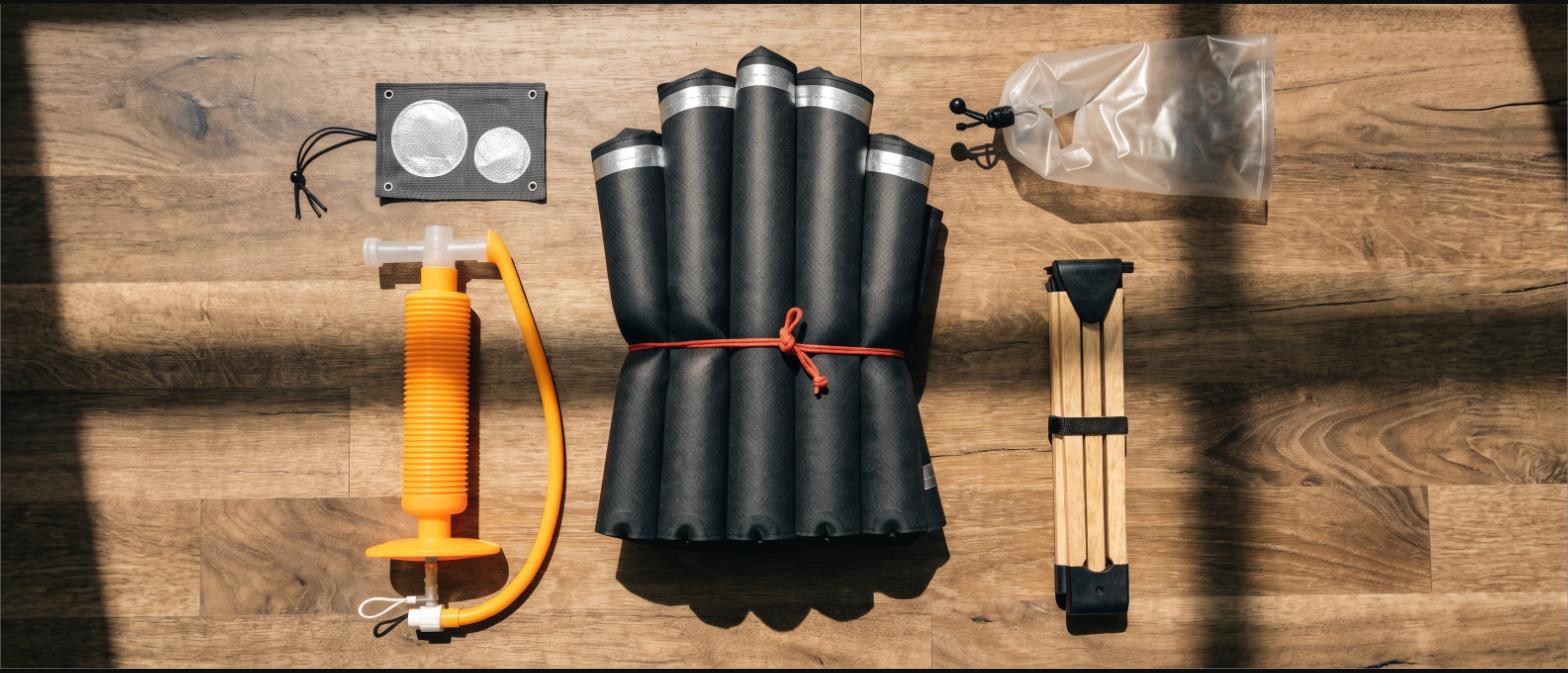
Overhead view of a folded inflatable boat with a hand pump, patch kit, dry bag and compact paddle

The boat is rarely the awkward part. The pump is bulky and cannot be improvised; a compact double-action pump is worth the money. A repair kit weighs nothing and turns a ruined trip into a twenty-minute delay. And the thing nobody mentions until it happens to them: you cannot pack a wet boat. PVC and Hypalon both grow mildew if you roll them damp and leave them for a week, which is exactly what travel schedules encourage. Build in drying time, and rinse the salt off before it dries into the seams.

A Boat That Waits

The real argument for an inflatable on the road is not portability for its own sake. It is that the boat stops being an occasion. It rides in the bag until a lake, a fjord or a slow river appears, and then it is twenty minutes of pumping rather than a trip home to fetch it.

From the Boat to the Blind: Why Duck Hunters Love a Custom Wooden Call

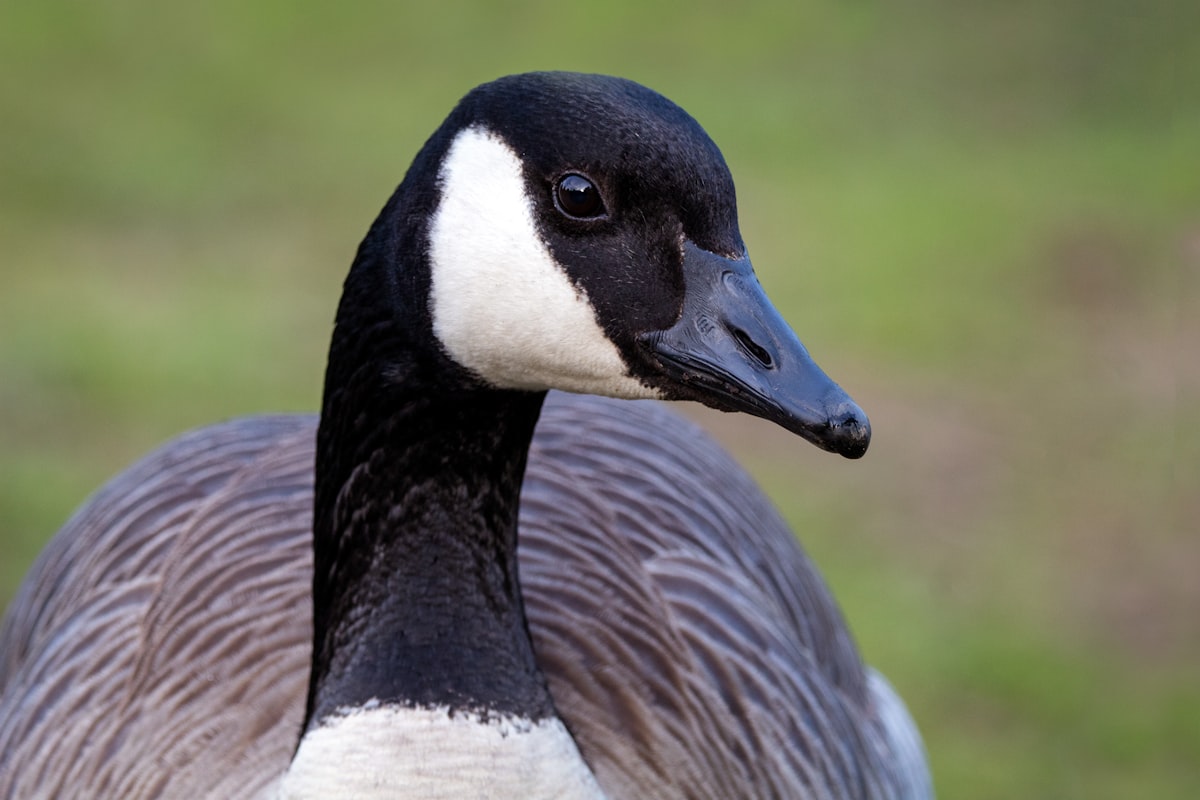
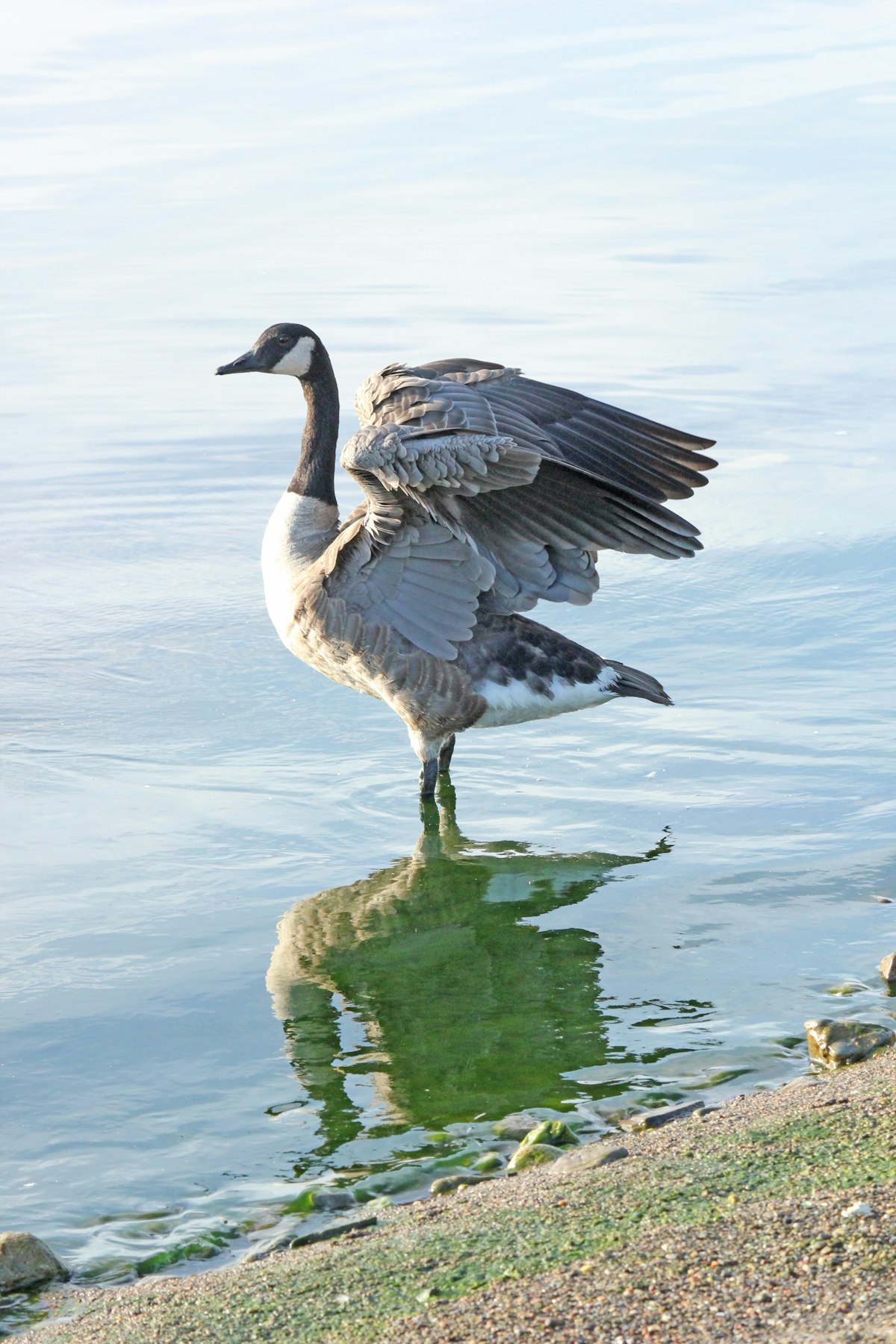
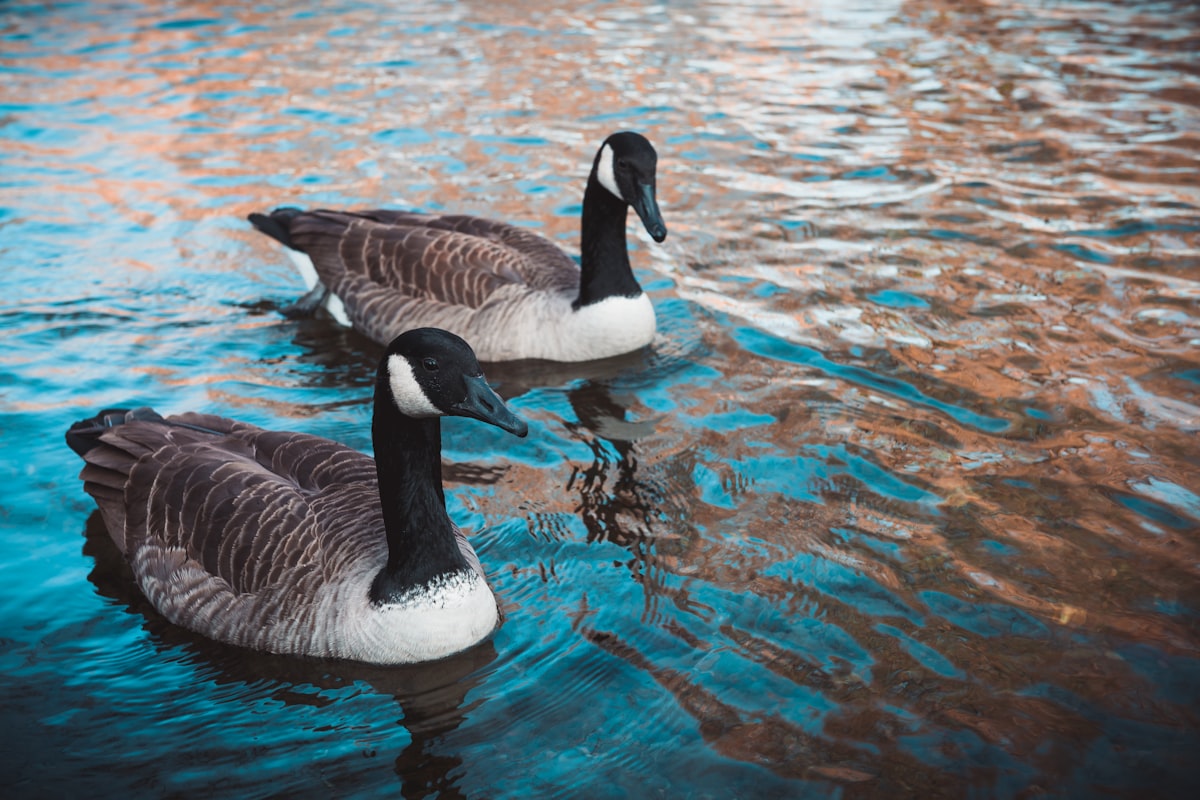
Ducks on the water

A good inflatable boat opens up water that bigger rigs simply cannot reach — quiet backwaters, flooded timber, and the skinny marsh edges where ducks actually want to be. For a lot of our customers, that access is the whole point: it slips them into the blind without spooking the whole slough. And once you are tucked into the reeds waiting on a flight, one small piece of gear does more work than anything else in the boat: a custom wooden duck call.

What Makes Wood Special

Plastic calls are durable and cheap, but wood has a voice all its own — warm, raspy, and remarkably close to a live hen. The density and grain of the barrel shape the tone, which means no two wooden calls sound exactly alike. They also age beautifully, taking on a patina and, many hunters swear, a mellower sound over years of use in the marsh.

Why Custom Matters

A close-up of a duck

A custom call is tuned by a maker rather than stamped out by a machine. That means the reed, the tone board, and the sound can be matched to how you hunt and the birds in your region — a mellow, close-working call for timber, or something with more cut for big open water. Browsing a maker’s custom wooden duck calls is half the fun, because you are really choosing an instrument, not just a tool.

Watch: how to blow a duck call for beginners
Watch: How to Blow a Duck Call for Beginners (YouTube)

Calling From the Water

Here is where a small boat pays off twice. Because it lets you set up close to where ducks want to land, you rarely need to call loud or often. Soft feed chuckles, a short greeting call, and a lot of silence usually beat a nonstop highball. Let the birds work, read their response, and save the volume for turning a distant flock. Restraint is the mark of a good caller.

Small Gear, Big Difference

A duck floating on calm water

The boat gets you to the birds; the call finishes the job. A well-made wooden duck call is the kind of gear that becomes a personal favorite — carried on a lanyard season after season, a little more broken-in and a little more yours each year. Paired with a quiet rig that reaches the good water, it is a simple upgrade that changes the whole morning.